

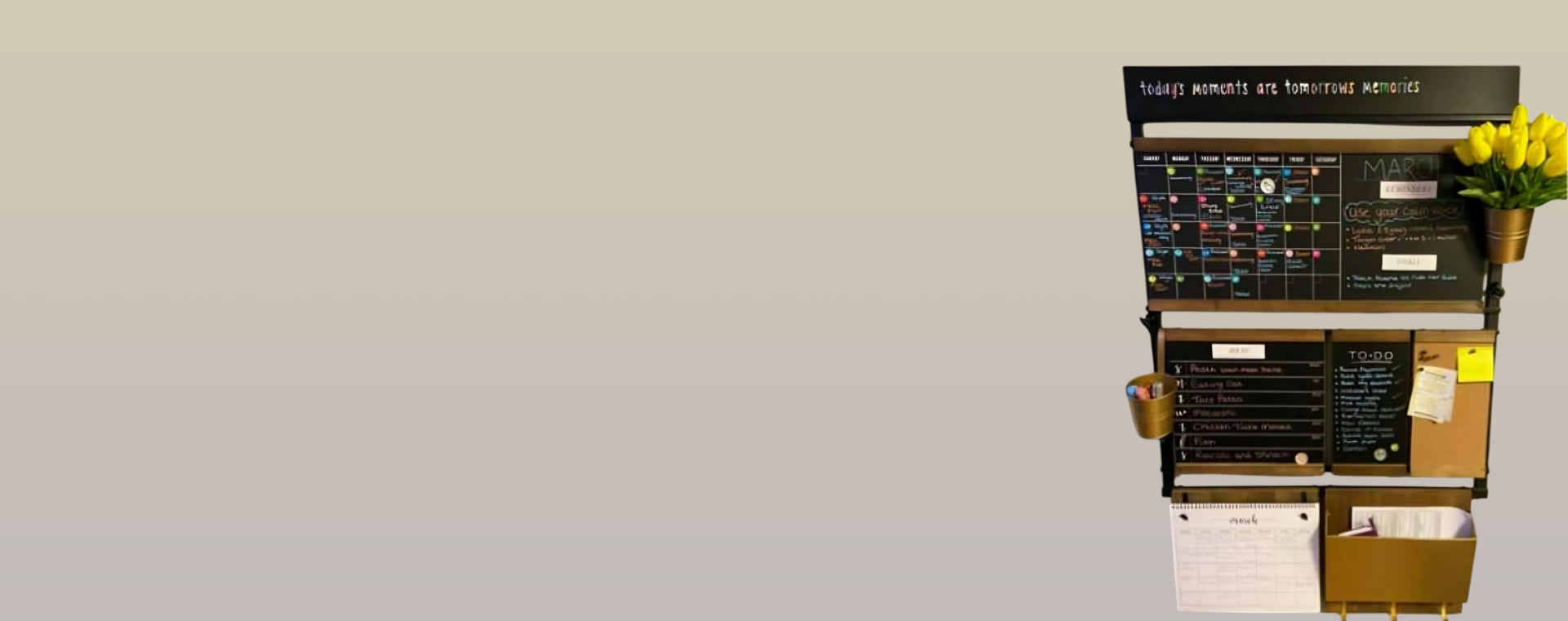

Thrive-Ability Planner
1. Attention Deficit Hyperactivity Disorder (ADHD)
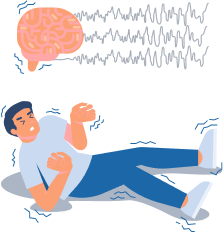
1. Attention Deficit Hyperactivity Disorder (ADHD)
Why it helps: People with ADHD often struggle with attention, focus, and time management. A planner can provide structure, breaking down tasks into smaller, manageable steps, which helps reduce overwhelm and enhances focus.
2. Autism Spectrum Disorder (ASD)
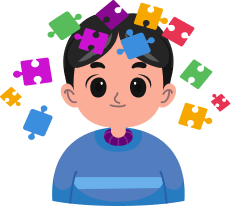
2. Autism Spectrum Disorder (ASD)
Why it helps: Many individuals with ASD prefer routines and clear structures. A planner provides a visual aid to organize their day and manage transitions between activities, which can help reduce anxiety and provide predictability.
3. Anxiety Disorders
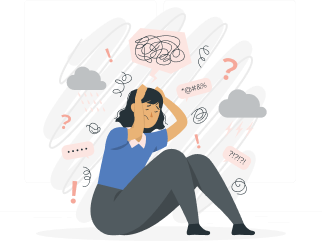
3. Anxiety Disorders
Why it helps: Anxiety can often lead to difficulty organizing thoughts and managing time. Having a clear schedule can reduce uncertainty and the stress of forgetting things. It can also help break down overwhelming tasks into smaller, more manageable parts.
4. Depression

4. Depression
Why it helps: Depression can make it difficult to keep track of daily activities and responsibilities. A planner offers a visual way to track progress, set achievable goals, and establish routine, which can help boost motivation and reduce feelings of being overwhelmed.
5. Memory Impairments (e.g., dementia, brain injury)

5. Memory Impairments (e.g., dementia, brain injury)
Why it helps: Individuals with memory impairments can forget important appointments, tasks, or even the sequence of daily routines. A planner offers a concrete way to record information that can be referred to at any time, assisting with memory recall.
6. Learning Disabilities
6. Learning Disabilities
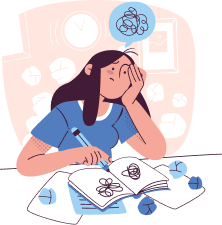
Why it helps: Learning disabilities like dyslexia or dyscalculia can make organizing information challenging. A planner helps with structuring tasks in a visually organized way, breaking them down into smaller, more understandable pieces.
7. Visual Impairments

7. Visual Impairments
Why it helps: People with partial vision loss or blindness can use planners with tactile features, large print, or digital planners with text-to-speech software to stay organized and independent.
8. Hearing Impairments

8. Hearing Impairments
Why it helps: For individuals with hearing loss, a planner can serve as a reminder system for appointments and social activities that may require visual cues (e.g., meetings, family events, or important tasks).
9. Physical Disabilities

9. Physical Disabilities
Why it helps: Individuals with physical disabilities may have mobility challenges or health conditions that require careful scheduling of medical appointments, physical therapy sessions, and personal care tasks. A planner can help manage these schedules in a way that avoids overexertion and confusion.
10. Chronic Illnesses (e.g., Fibromyalgia, Chronic Fatigue Syndrome)

10. Chronic Illnesses (e.g., Fibromyalgia, Chronic Fatigue Syndrome)
Why it helps: Managing a chronic illness often requires careful planning around energy levels, rest periods, and medical appointments. A planner can help track symptoms, fatigue levels, and manage appointments, medications, and daily routines.